
What an SME Loan Should Actually Cost You

For small and medium business owners across Nigeria, financing is often the difference between an idea and a functioning business. But not all loans are created equal — and understanding what a loan should actually cost you, beyond the headline interest rate, is one of the most valuable financial skills any entrepreneur can develop.
Start With a Worked Example
Suppose you borrow ₦5,000,000. Most business owners stop at asking whether the lender charges 3% or 4% monthly interest. That’s the wrong place to stop. The real question is:
“How much will I actually repay, in total, by the end of this facility?”
A ₦5,000,000 loan at what sounds like a modest rate can end up costing ₦6,000,000, ₦6,500,000, or more once processing fees, insurance, and the interest calculation method are factored in. Two loans with the same advertised rate can have completely different total costs depending on how they’re structured. That’s the number you need before you sign — not the rate.
Interest Rate Is Only Part of the Picture
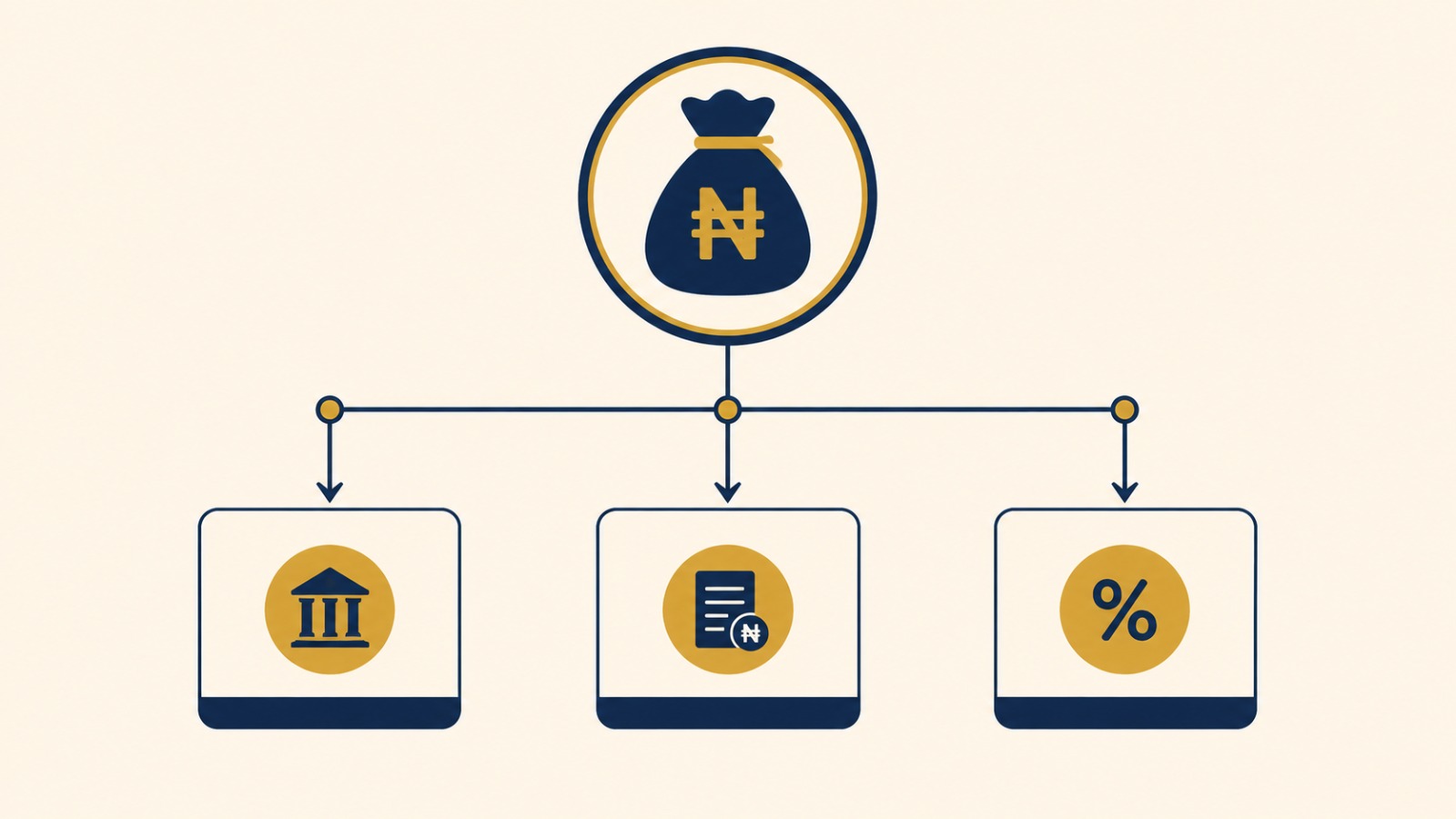
Processing and administrative fees Many lenders charge an upfront fee simply to process your application — often a percentage of the loan amount. This should always be disclosed clearly before you commit.
Insurance or collateral-related costs Some loans require insurance on the loan amount or on pledged collateral. This adds to your effective cost of borrowing and should be factored into your total repayment calculation, not treated as a separate line item you overlook.
Repayment structure and frequency A loan with the same headline interest rate can cost significantly more or less depending on whether repayments are structured monthly, weekly, or with a lump sum at the end.
Penalties for early repayment or default Some lenders penalize borrowers for paying off a loan early. Others impose steep penalties for late payments. Both should be understood before signing.
Flat Rate vs. Reducing Balance: A Critical Difference
This is one of the most misunderstood aspects of SME lending in Nigeria. A “flat rate” loan calculates interest on the full original loan amount for the entire loan term — even as you pay down the balance. A “reducing balance” loan calculates interest only on what you currently owe, which decreases over time.
Using our ₦5,000,000 example: at a flat rate, you keep paying interest on the full ₦5,000,000 every month, even in month 11 when you’ve already repaid most of the principal. At a reducing balance, your interest shrinks each month as your outstanding balance shrinks. A flat-rate loan advertised at a lower headline rate can end up costing significantly more in real terms than a reducing-balance loan with a higher advertised rate.
Always ask which method your lender uses, and request the actual total repayment figure in naira — not just the rate.
Questions Every SME Owner Should Ask a Lender
- Is this interest rate flat or reducing balance?
- What is the total amount I will repay, in naira, by the end of the loan term?
- Are there processing fees, and what percentage of the loan do they represent?
- Is there a penalty for early repayment?
- What happens if I miss a payment — is there a grace period, and what does default trigger?
- Is collateral required, and what happens to it if I’m unable to repay?
A credible lender will answer these clearly and without hesitation.
Matching the Loan to the Purpose
The right loan structure often depends on what you’re financing. Working capital loans (covering short-term operational costs) typically suit shorter repayment terms, while asset financing (equipment, property, expansion) is often better matched to longer terms that align with the asset’s useful life.
Why This Matters Beyond the Numbers
If you’re considering an SME facility, the first conversation shouldn’t be “How much can I borrow?” It should be “What will this facility actually cost my business, and can my cash flow comfortably support it?” Understanding the true cost of financing protects your business’s stability at exactly the moment it needs it most.
Considering an SME loan? Speak with our Financial Services team to get a clear, upfront picture of total cost before you commit.
Related reading: Get the Loan. Own the Home.